


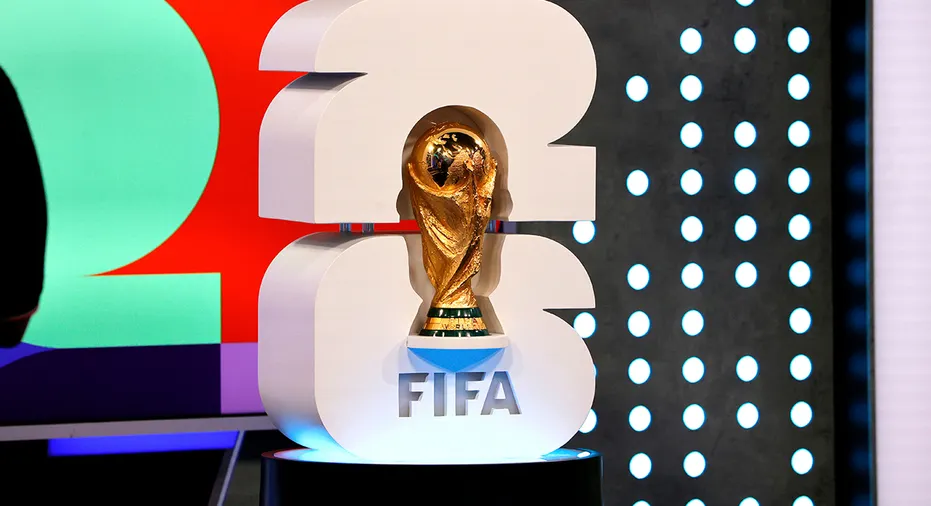
Miami is no stranger to hosting world-class events, but the World Cup 2026 will be unlike anything the city has seen. With seven matches, including the third-place playoff, set for Hard Rock Stadium and over a million visitors expected, Miami is bracing for a month-long global spotlight. As 12BET Soccer tracks every development, the question remains: is the Magic City truly ready?
Sports wagering apps such as 12BET India give users full control at their fingertips.
World Cup 2026: Miami’s Opportunity and Challenge
City leaders are confident that Miami can handle the scale and intensity of the World Cup 2026. Mayor Francis Suarez described the tournament as “seven Super Bowls crammed into a month,” emphasizing the city’s readiness to welcome the world.
Economic Impact and Visitor Surge
Between June 11 and July 19, Miami expects between 600,000 and 1 million visitors, bringing an estimated $1.5 billion boost to the local economy. This surge will test the city’s infrastructure, hospitality, and public services. Yet, as Suarez and hospitality leaders told 12BET Soccer, Miami is prepared. Hotels, bars, and restaurants are ramping up staffing and supplies, with businesses committed to maintaining accessible prices and services despite overwhelming demand.
Infrastructure and Urban Planning
The World Cup 2026 comes as Miami experiences rapid growth. Challenges like housing costs and congestion are real, but city officials are addressing them with long-term investments. Miami plans to add 2,500 new housing units and invest $880 million in affordable housing for essential workers. Efforts to expand micromobility, improve transit-oriented development, and create “15-minute neighborhoods” reflect a strategy to balance short-term World Cup needs with lasting urban benefits.
Legacy Beyond the World Cup 2026
City leaders see the World Cup 2026 not just as an event, but as a defining moment for Miami’s global identity. Suarez notes that the city is collaborating with FIFA on legacy projects that will outlast the tournament—initiatives aimed at improving infrastructure, boosting safety, and reinvesting in the community.
Enhancing Miami’s Global Profile
Hosting part of the World Cup 2026 is expected to transform how the world sees Miami. Visitors who come for the tournament could become long-term residents or investors, expanding the city’s economic and cultural influence. Emi Guerra of Breakwater Hospitality Group told 12BET Soccer that the tournament is a chance to “put Miami on the map again,” showcasing the city’s unique lifestyle and hospitality.
Balancing Tourism with Local Inclusion
While massive international attention is expected, city leaders are determined to keep the event accessible to residents. Plans include free fan zones and affordable local venues, ensuring that the excitement of the World Cup 2026 reaches everyone. Guerra emphasized that even with soaring demand, Miami’s hospitality venues will “stay true to our brand” by offering quality experiences without shutting out locals.
Building a Lasting Soccer Culture
Beyond the matches themselves, leaders hope that World Cup 2026 will leave behind a stronger soccer culture in Miami. With businesses expanding soccer-themed events and communities embracing the sport’s global appeal, 12BET Soccer predicts that the tournament could spark long-term growth in fan engagement and tourism.
Miami’s Defining Moment on the Global Stage
For Miami, the World Cup 2026 represents more than just a sports tournament—it’s a generational opportunity. Leaders believe it will cement the city’s place among the world’s great global hubs. With preparation, creativity, and collaboration, Miami aims not only to meet the challenges of hosting but to surpass expectations. As 12BET Soccer continues to cover the journey to the World Cup 2026, all eyes are on the Magic City as it prepares for its biggest moment yet.